
Do You Want A Cooking Pear
or A Fresh Eating Pear?
That's the hot question: what kind of pear tree do you want?
Are you going to make preserves or do you just want to use the fruit fresh, like in a fruit salad or eat from the tree?
Just because you live in Florida, it doesn't mean the pears you grow have to look and feel like baseballs -- or taste gritty. It just means you need a low chill pear tree variety that produces soft pears -- that is also fireblight resistant. And while the native hard sand pear can be quite hardy and make good preserves, there are far tastier alternatives for recipes that are not full of grit -- and very fire blight resistant as well.
Pears are fairly easy to grow in North Florida, though they can be a bit slow growing at first. They take a year or two longer to start fruiting than say a peach or a nectarine. They also require a bit more pruning while young to be sure you establish an open canopy with proper branching at a low level. When you purchase a 15g tree, the initial pruning to shape the tree has often already been done.
Pear trees need more space than a peach or nectarine. They generally reach 18-20' tall, sometimes 20-30' at full maturity, and are 3/4 as wide as they are tall.
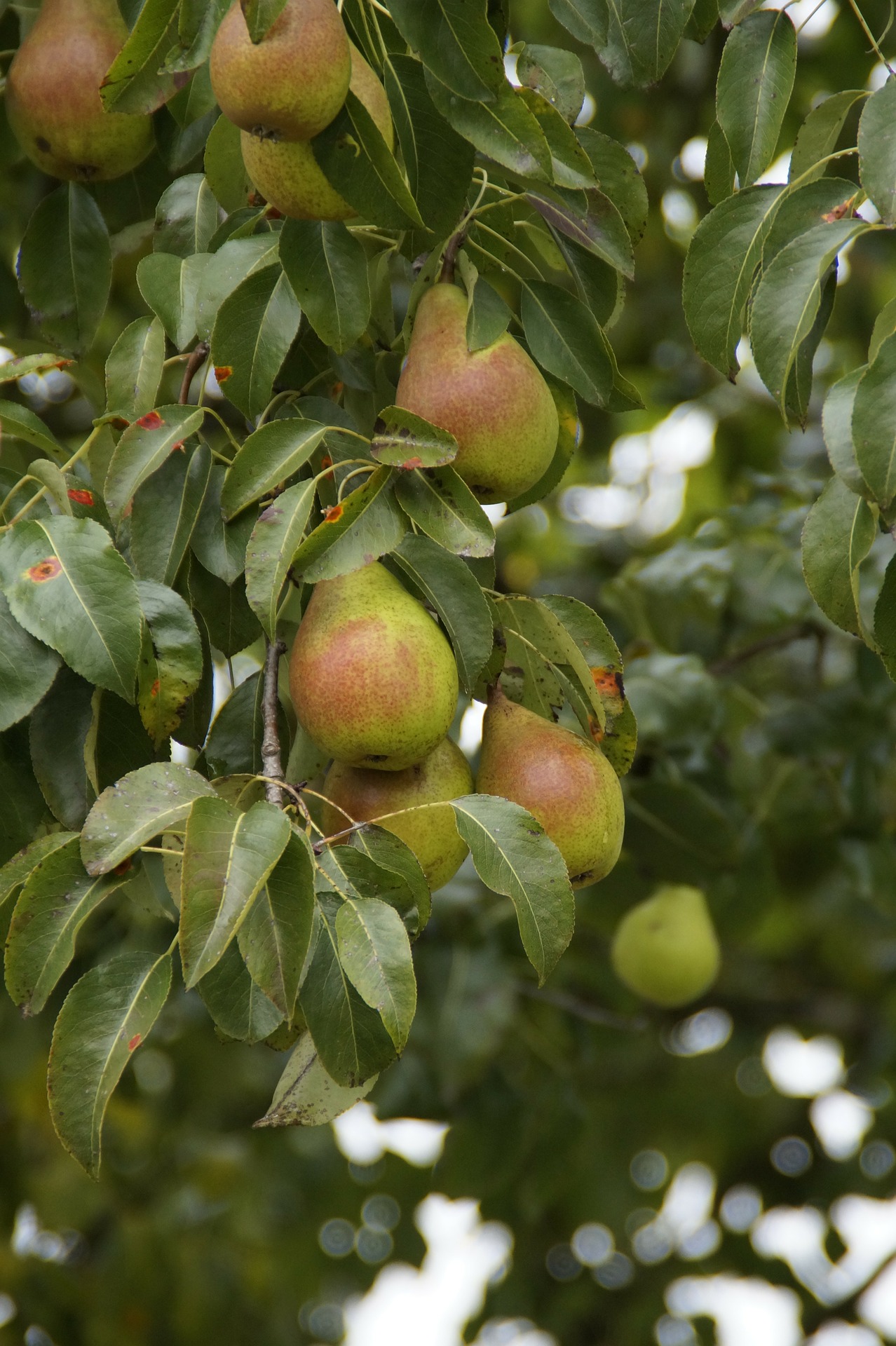
Pears can be grown in zones 4-9. Just choose one suitable to your area, with good blight resistance.
Cross-Pollination
Most pears, soft or firm, will require another variety for pollination. Cross-pollination only effects the seed, not the quality or nature of the fruit.
Generally speaking, soft pears require another soft pear for pollination, within the same general chill hour range.
The exception is the hard Pineapple pear will cross pollinate with many of the soft varieties, and sometimes the gritty sand pears will cross pollinate as well.
Hard or firm pears generally need another firm variety withing the same chill hour range for pollination.
And Asian pears generally need another Asian pear for pollination.
Pears come in four "classes":
soft, hard, sand pears, and Asian pears.
Soft pears are the most used for fresh eating, and rarely used for recipes because they do not retain their texture as well as the firm varieties when cooked. A few varieties are self fertile, but most do far better if you have a second variety as a pollinator.
Hard pears are more fairly described as "very firm", as in excellent for cooking into pear cobbler or pear preserves. Some people like them for fresh eating too, because they are quite crisp, but they generally have a smooth texture and are not gritty like traditional sand pears.
Asian pears are also very crisp, and more round in shape with no neck. They can be uniquely flavorful, and the flesh has a smooth, delicate texture. They are good both for fresh eating or for cooking. Most do not fruit as far south as zone 9, so we limit our selections to 2 that are most likely to fruit in North Florida zone 9a.
Sand pears are truly hard pears and are often gritty. They have been grown so extensively in the recent past, many people think they are native to the area, but in fact they are an introduction from China in the 1800's. They are vigorous growing and quite hardy, but most people consider them in-edible, and feed them to the livestock.
SOFT PEARS (European pears)
FlordaHOME pear
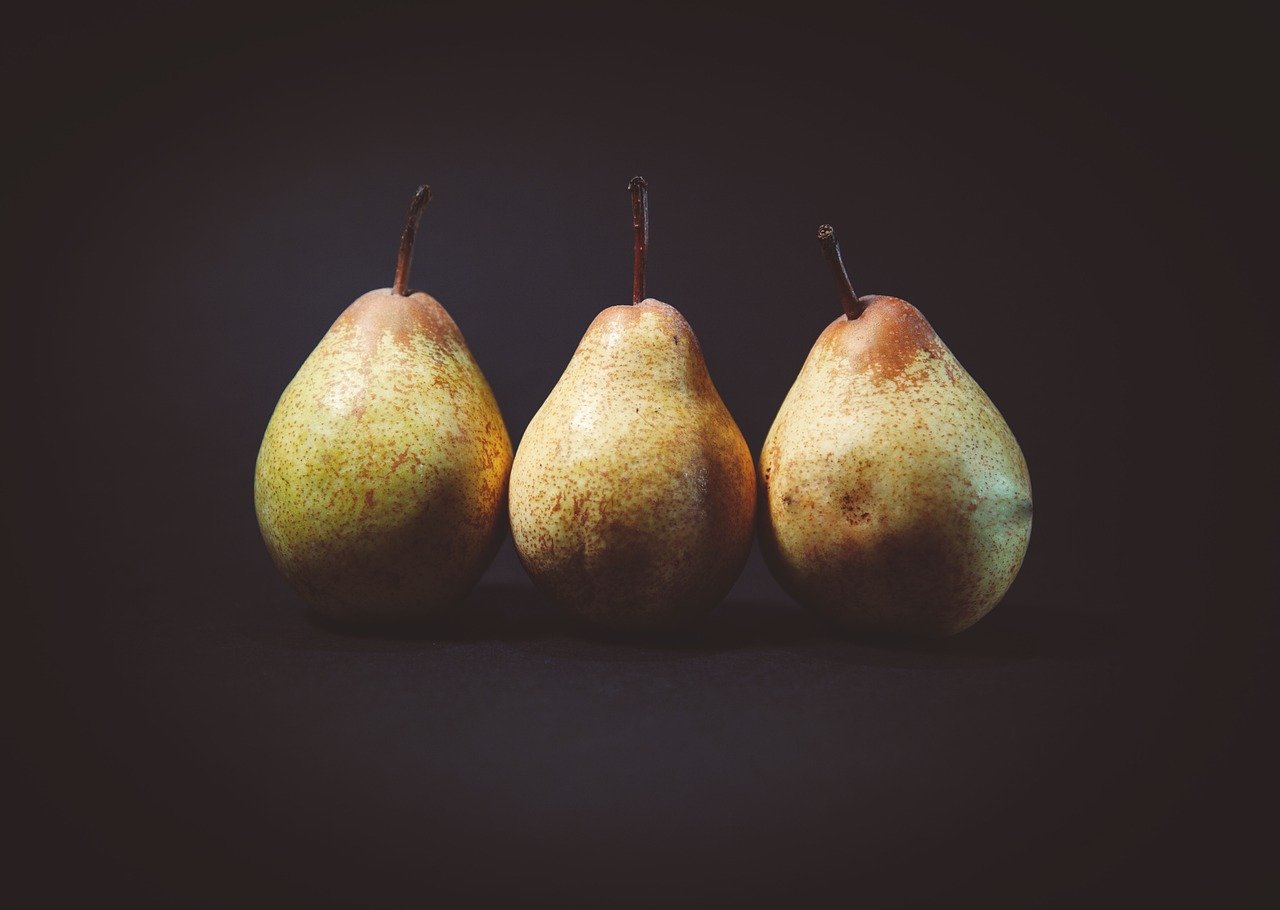
FlordaHOME pear is a tasty, sweet, crunchy-soft pear: kinda like a Bosc but more like a Bartlett, a little crispy. It has a greenish skin and is great for fresh eating: ripens early July.
Imagine biting into a mouthful of rice crispies and having juicy sweet water explode all over inside your mouth: that's an understatement of just how yummy a FlordaHOME pear is !!!
It can be difficult to distinguish between a FlordaHOME and a HOOD, if each is in a different stage of ripening.
Good blight resistance
pollinators: Hood, Spalding,
Pineapple pear, Baldwin, or
Ayers/Sugar pear.
Ripens early to mid July in
North-Central & Central Florida.
chill hours: approx. 150
mature height: 15-18' tall
width: x 12-15' wide
for zones 8b, 9a & 9b
HOOD pear
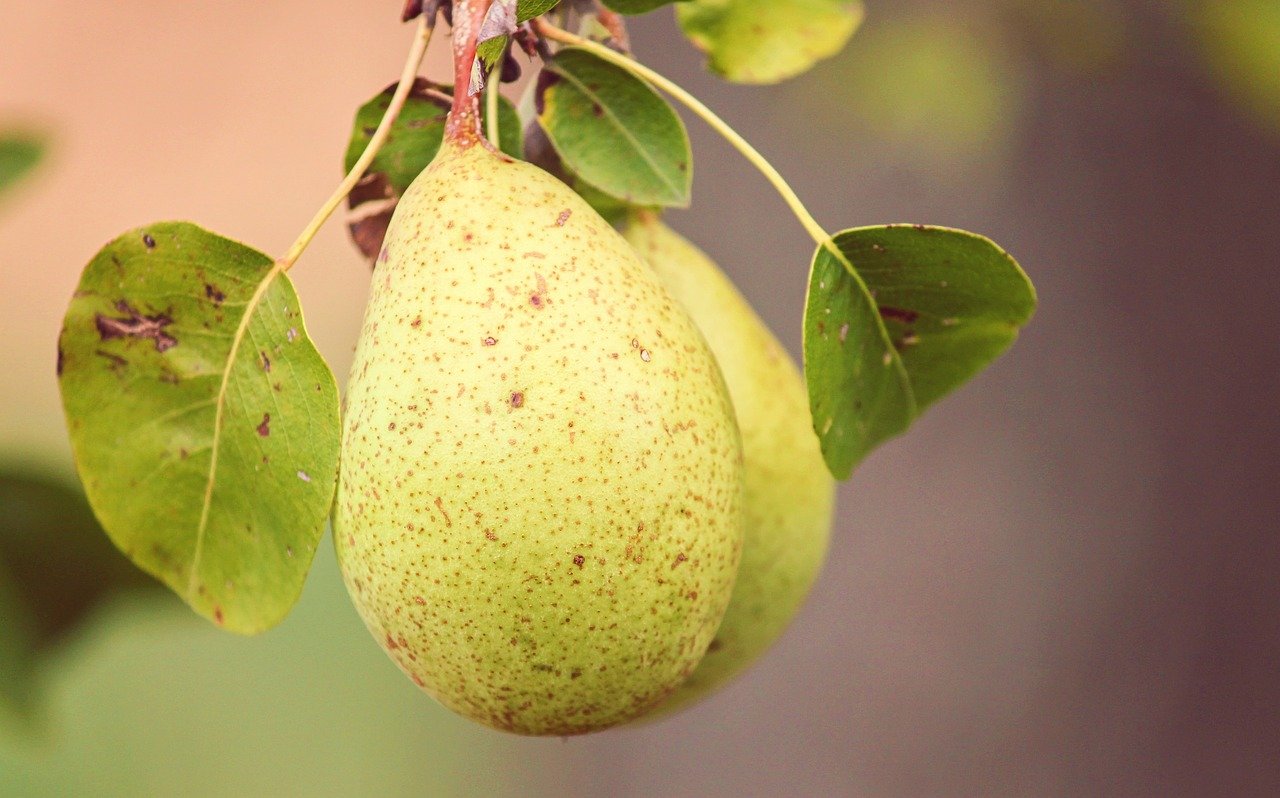
HOOD pear is the most like a Bartlett of all of our Florida pears -- quite soft, great for fresh eating: ripens in mid-July.
Texture is what you'd expect from a good sweet eating pear: neither grainy or bitter.
Hood is a golden yellow pear with a soft, buttery flesh. Flavor is a bit tangy, something like a Bartlett. (Bartlett is the #1 pear for commercial production in the US.)
Good blight resistance
pollinators: FlordaHome (best), Spalding (best), Pineapple pear, Baldwin or Ayers/Sugar pear
Ripens mid to late July in
North-Central & Central Florida
chill hours: approx 150
mature height: 15-18' tall
width: x 12-15' wide
for zones 8a, 8b, 9a, 9b, and 10a
SPALDING pear
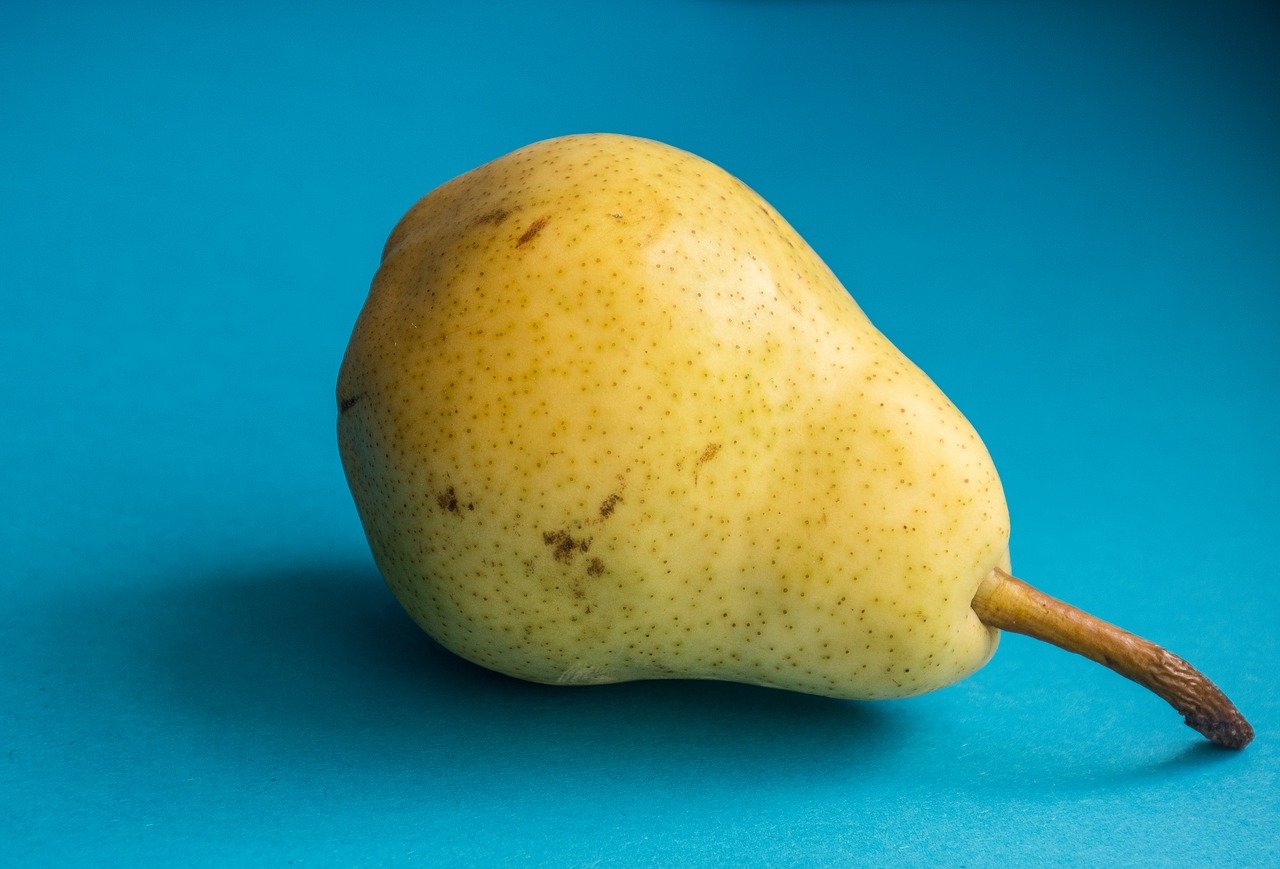
SPALDING is an utterly delicious, soft eating pear with a complex mellow flavor typical of European pears, yet it has a crunchy, juicy sweetness like an Asian pear.
The fruit holds its texture well and is excellent for fresh eating or even for making preserves and jams.
Spalding is one of the larger growing pear trees, potentially reaching up to 30' tall, though it can be heavily pruned to 15-18' if desired.
It is not widely distributed and is difficult to find except at small nurseries.
Vigorous, hardy, prolific, matures young, self fertile.
Excellent blight resistance
one of the very few truly self-fertile pear varieties;
will cross pollinate with: Baldwin, FlordaHOME, Hood, Pineapple p.
Ripens in September
chill hours: approx 150
mature height: 18' tall pruned
width: x 12-15' wide
for zones 8a-9b
BALDWIN pear
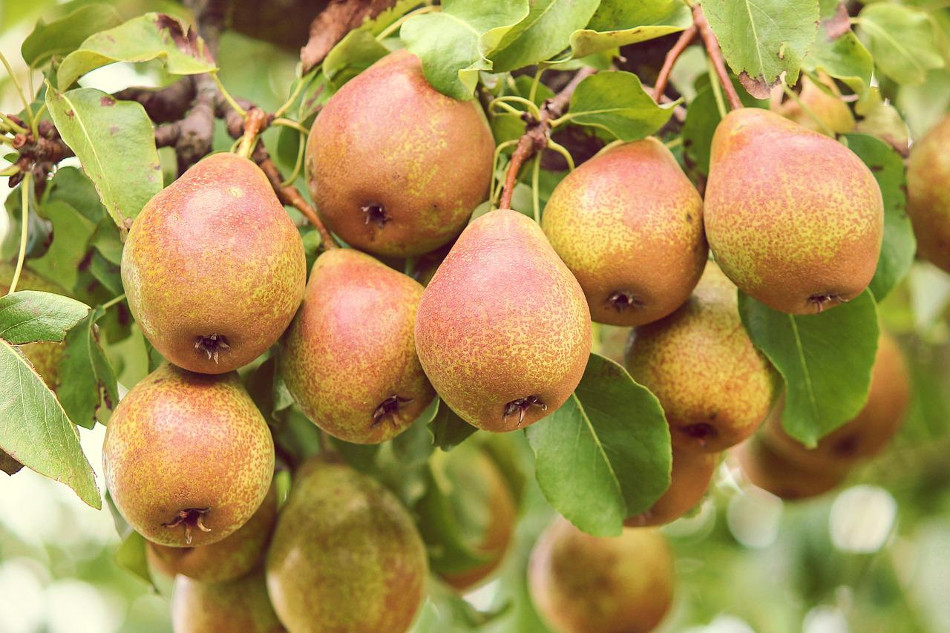
BALDWIN is a semi-hard, soft eating, sweet pear, excellent for fresh picking if you like a crispy pear. It also makes an excellent cooking pear.
Baldwin is a large yellow pear with an attractive red blush, requiring moderately low chill hours. Ripens best after picking within 3-4 days.
* not always available
Good blight resistance
pollinators: Hood, Spalding,
Pineapple p., or Ayers/Sugar pear.
Ripens early /mid August to
early Sept in North Florida.
chill hours: 250 - 300
for zones 8b & 9a
Ayers / SUGAR pear
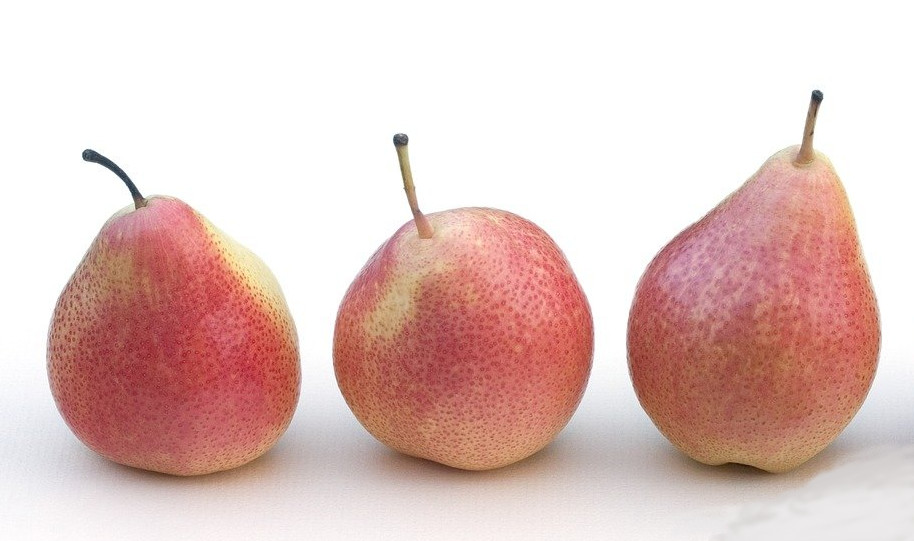
AYERS pear --- aka SUGAR pear --
is a very sweet, soft, melting flesh pear, primarily used for fresh eating only.
This is an old Southern favorite, vigorous growing, fireblight resistant, and partially self fruitful. Fruit is yellow with a red blush and quite juicy.
Trees are a natural semi-dwarf, maturing at about 12' tall.
* not always available
Excellent blight resistance
pollinators: FlordaHome, Spalding, Pineapple pear, or Baldwin
Ripens early August in
North Florida
chill hours: approx 300
for zones 8a, 8b, and upper to mid 9a,
coming soon . . .
HARD or 'Firm' PEARS (usually hybrids)
KIEFFER pear
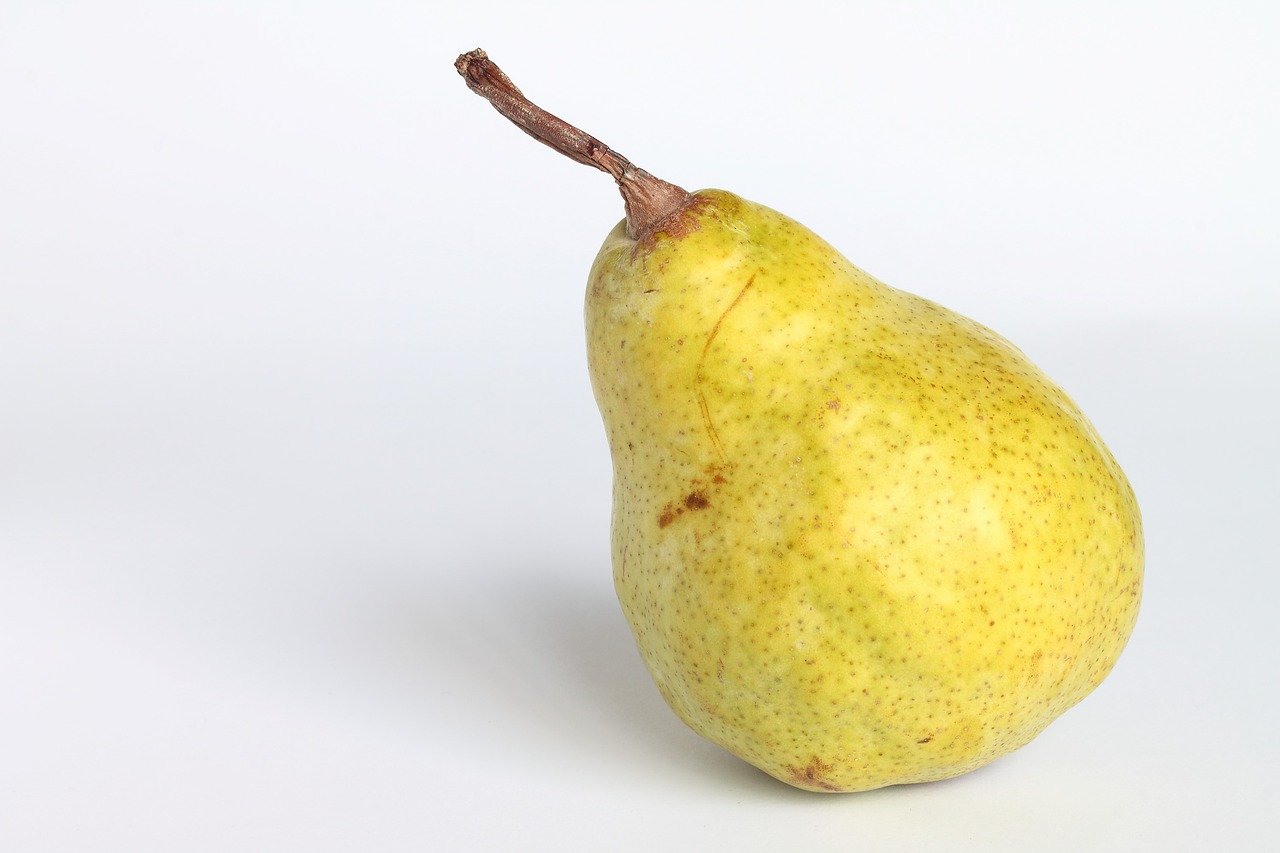
KIEFFER is the #1 pear in the South for making preserves and best pollinated by the ORIENT.
Considered a "firm" pear, but NOTHING like the hard, gritty native sand pears.
Thought to be a cross between a Bartlett and a Chinese sand pear, it holds its texture the best of all the pears when cooked. Sometimes eaten fresh as well.
Golden colored fruit with red blush.
Hardy, vigorous trees are quite tolerant of hot climates.
* not always available
Excellent blight resistance
will set a few pears by self pollination; but always best planted with Orient
Ripens early to mid June
(in Gainesville)
Ripens late August to
mid Sept in North Florida.
chill hours: 200 - 300
for zones 5 - 9
ORIENT pear
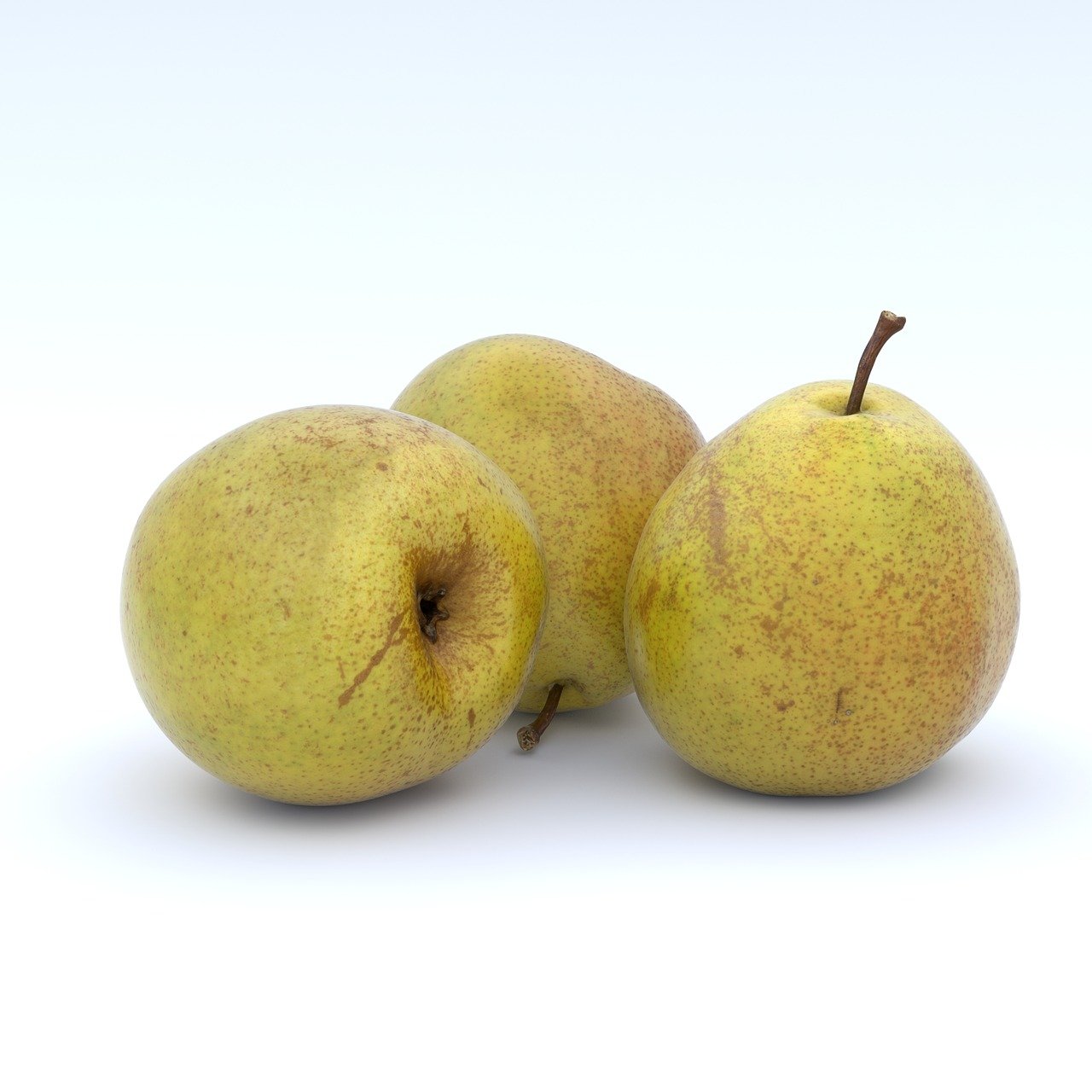
ORIENT pear is a very flavorful, good cooking pear: firm but no grit! Orient produces large, round fruit, with a firm, white flesh, perfect for pear butters!
A good pear by all definitions, but it is most notable as the best pollinator for the Kieffer pear.
Similar to the Asian pears in texture and flavor, it is the best substitute to grow in zone 9 where winters are not cold enough for the Asian pears to produce.
* not always available
Excellent blight resistance
best pollinated with Kieffer
Ripens early to mid June
(in Gainesville)
Ripens late August to
mid Sept in North Florida
chill hours: approx 300 - 350
for zones 6 - 9
PINEAPPLE pear
we're still looking for a photo of the Pineapple pear!
PINEAPPLE pear is a roundish, elongated pear with no neck. It has a distinct tangy flavor, reminiscent of pineapples.
Commonly found at old homesteads throughout the South.
Vigorous growing, very prolific producer of tangy-flavored very hard pears suitable for cooking.
* not always available
Excellent blight resistance
pollinators: FlordaHome, Hood, Spalding, Baldwin & Ayers / Sugar pear
Ripens mid to late June, or
even early July in Gainesville
Ripens early August
chill hours: approx 150
for zones 8 - 9
Oriental PEARS
SAND pears
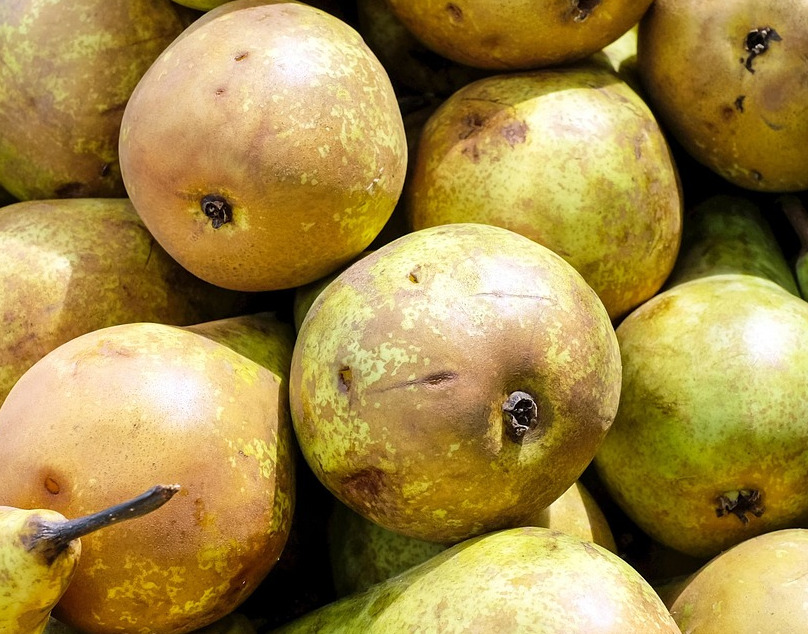
SAND pears were imported from China and Japan in the 1800's and were widely grown in the South because they were extremely resistant to the fireblight disease that attacked many of the European varieties.
There are at least 40 different varieties that have been studied in FL & Ga alone.
Their legacy of durability continues, even though we now have many low chill European hybrids of soft pears that have very good blight resistance today. Sand pear trees grow as much as 40' tall and are very showy, but the fruit has a gritty texture and is often fed to livestock.
* not always available: there are better choices to consider !
Excellent blight resistance
pollinators: self fruitful
Ripens late August to
mid Sept in North Florida.
chill hours: 150
for zones 5-9
SHINSEIKI pear
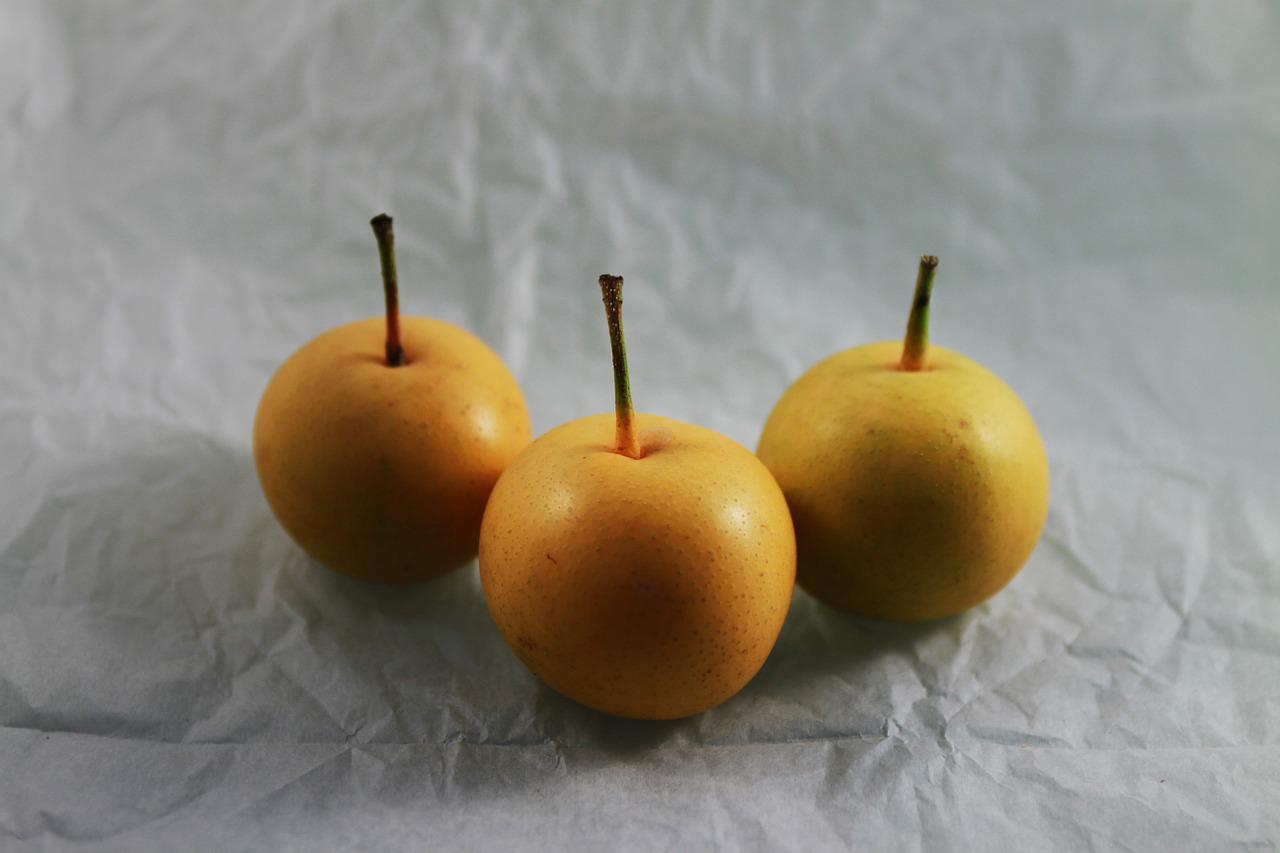
Like most modern Asian pears, Shinseiki are typically smooth textured, crunchy, juicy and quite flavorful.
Medium to large golden yellow fruit are round with no neck.
Shinseiki is one of the few self-fruitful pears; can be used as a pollinator with other Asian pears. Like most Asian pears, Shinseiki lasts a long time after harvest if in cold storage.
* not always available
Excellent blight resistance
pollinators: self fruitful but can pollinate with any other Asian pear
Ripens early August in
North Florida
chill hours: approx 250-300
for zones 5- upper/mid 9a,
KOREAN GIANT pear
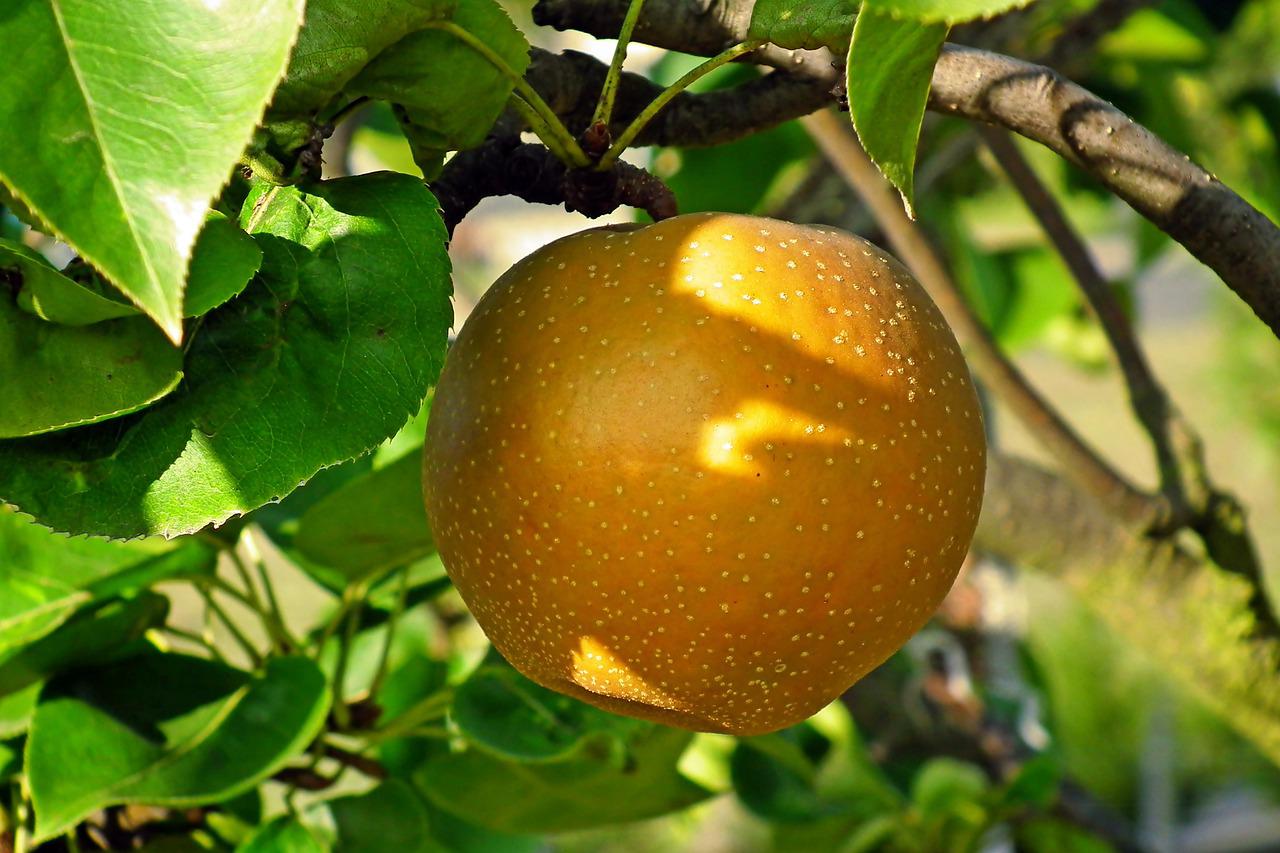
Korean Giant is a heavy producer, is very crispy and juicy, and is one of the largest of the oriental pears. Can reach as much as 2lbs.
aka 'Olympia'.
Fruits are round, dark brown russet colored, and nearly the size of a grapefruit, with a very high sugar content when fully ripe. Extremely sweet.
* not always available
Excellent blight resistance
pollinators: needs Shenseiki
Ripens mid to late June, or
even early July in Gainesville
chill hours: 350-600
for zones 5- upper/mid 9a,
Call us to order or
Order online below:
not all varieties available in all sizes:
please call or email to check availability before ordering
NO TEXTING!
Beginning Bearing Age in 7gal >>> REG 7G $49 & X-LG 7G $69:
see specs in chart below
Want a serious orchard size tree now?
order 15gal / $99 & X-LG 15G $135
15G: 8'+ /2.5-3' wide / 1.25" trunks
super 15g: 9-11' tall / 3-4' wide / 1.5" trunks
best availability is in Jan / Feb each year
heights & widths adjusted below for pears:
pears are tall and quite skinny when young, compared to peaches and nectarines
4 GAL
3-4 YRS+ TO FRUIT
5-5.5' tall / after trimming
$29/ea
we are no longer stocking this size: most common size at many nurseries;
7 GAL
beginning to blossom
approx 5.5-6' tall
$49/ea
ltd availability
super 7 GAL
good blooming age
approx 6.5-7' tall
$69/ea
ltd availability
15 gal
beginning to fruit:
Orchard-ready trees
some have already had fruit
8'+ tall / trimmed
$99/ea
super 15 GAL
serious bearing age
9'-11' tall / trimmed
$135/ea
ltd availability: please contact us before ordering