
With more than 1100 different cultivars and species of citrus in collections around the world, there's a lot to choose from. But actual availability from the professional grafting propagators is a much smaller unique subset of varieties that are both universally appealing and vigorous growing for our state.
And what is available in Florida will be different than what is available in California, Texas, Georgia or Arizona because each state has its own protective quarantines at this time.
Also please note that our citrus is licensed & inspected for Florida deliveries only. No deliveries to Georgia --- no exceptions. We deliver via our box truck along routes within FL, no third party shipping --- ever. Please contact us for further details.
Oranges, Tangerines, Mandarines & Tangelos:
So What's The Difference?
If the fruit is a citrus, orange in color and sweet to the taste, we tend to loosely refer to it as an orange. But there's more to it than that.
What You Need To Know About Citrus Greening Disease
Citrus in Florida is under attack from a fatal bacteria that causes a disease known as "Citrus greening". It is spread by an insect known as the Asian citrus psyllid.
Oranges or Tangerines?
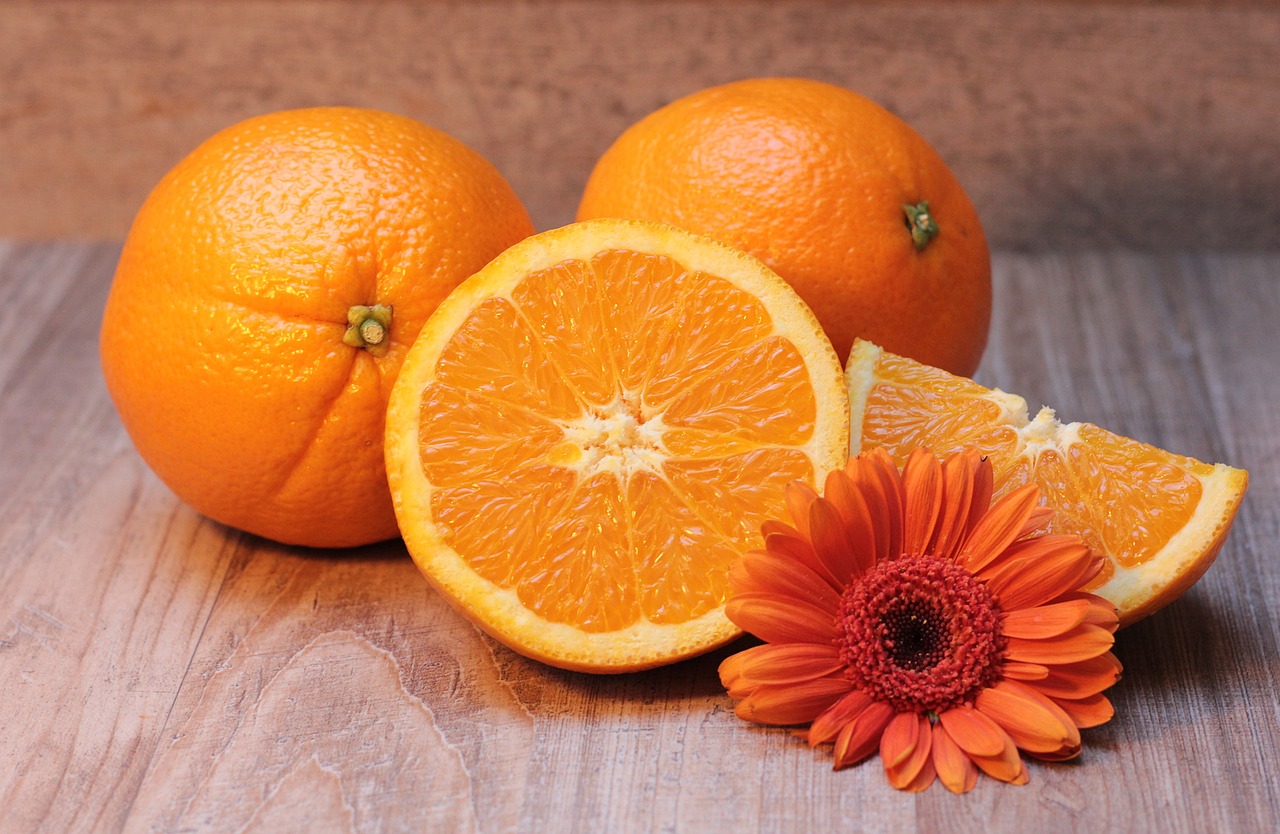
More precisely, oranges refers to a citrus fruit that is more easily eaten by slicing into it rather than trying to peel it.
It is generally served in slices, cut into fruit bowls, or squeezed for juices.
When making marmalade, oranges are generally the predominate species used because they can be chopped up so easily.
Pummelos cross pollinated with Mandarins gave us our first oranges.
Tangerines or Mandarins?
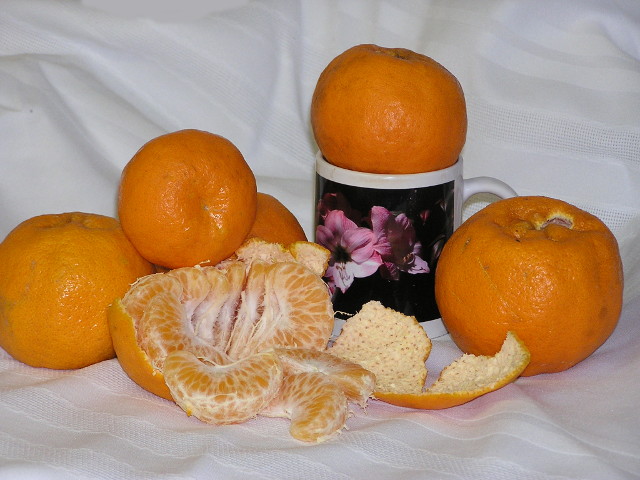
Tangerines are orange citrus fruits that can be peeled and easily plucked apart as sections or "plugs". God's idea of fast food!
Mandarins are a kind of tangerine that have very loose skins, generally low seed counts, and are typically quite cold tolerant.
All mandarins are tangerines, but not all tangerines are mandarins.
The name "tangerine" began as a generic name applied to this group of fruits originally found in a specific geographic region. Mandarins are one of the original four species of citrus.
What is a Tangelo?
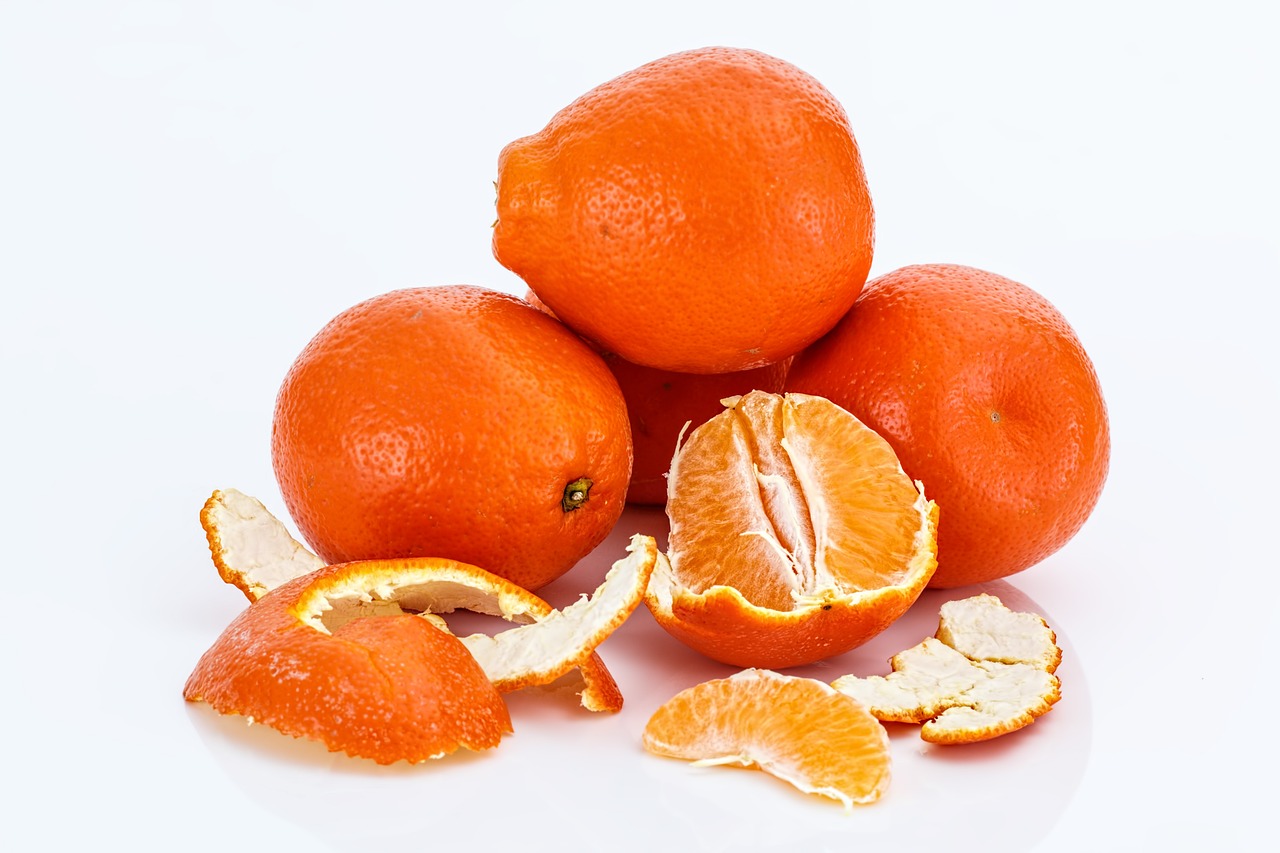
Tangelos are a tangerine type fruit that is a cross between a Citrus reticulata (such as a tangerine or mandarin orange) and a Citrus maxima (such as a pommelo or a grapefruit).
The name is derived from 'tangerine' and 'pommelo'. The original tangelo hybrids came from a cross between a Duncan Sweet (white) grapefruit and a Dancy tangerine.
Honeybell or Honey Belle aka Minneola Tangelo is the best known tangelo.
Grapefruits: Red or White?
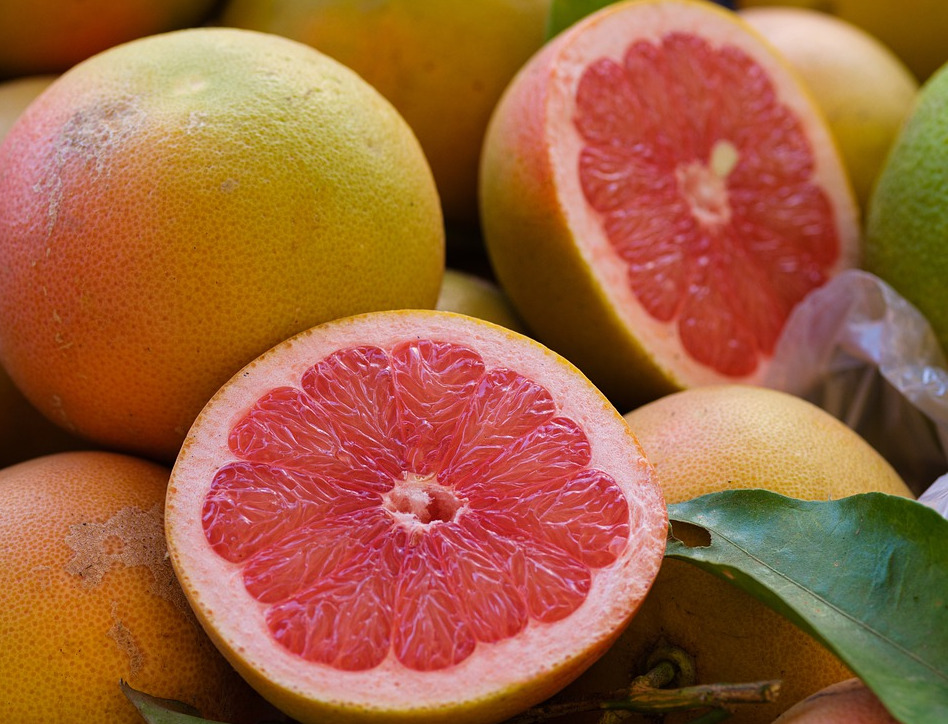
Red and white grapefruits are close relatives in the same family of citrus: Citrus paradisi.
They are thought to be the result of an accidental hybrid cross between a pommello and a sweet orange, originally developed on the island of Barbados in the 1800's. Legend says the farmer thought it tasted a bit like grapes, and the name stuck.
Click here for a comparison of Ruby Sweet grapefruits.
What is a Pummelo?
Pummelo (Citrus maxima) is the largest member of the citrus family and the forerunner of the grapefruit. It has a thick 'rind' and well formed 'plugs' inside that are easily separated.
It is less bitter than the grapefruit, and has a sweet tart flavor, very similar to a sweet grapefruit.
While there are both white and pink pummelos, we are stocking the pink variety because it is more richly flavored.
It is one of the four original species of citrus.
What is a Kumquat?
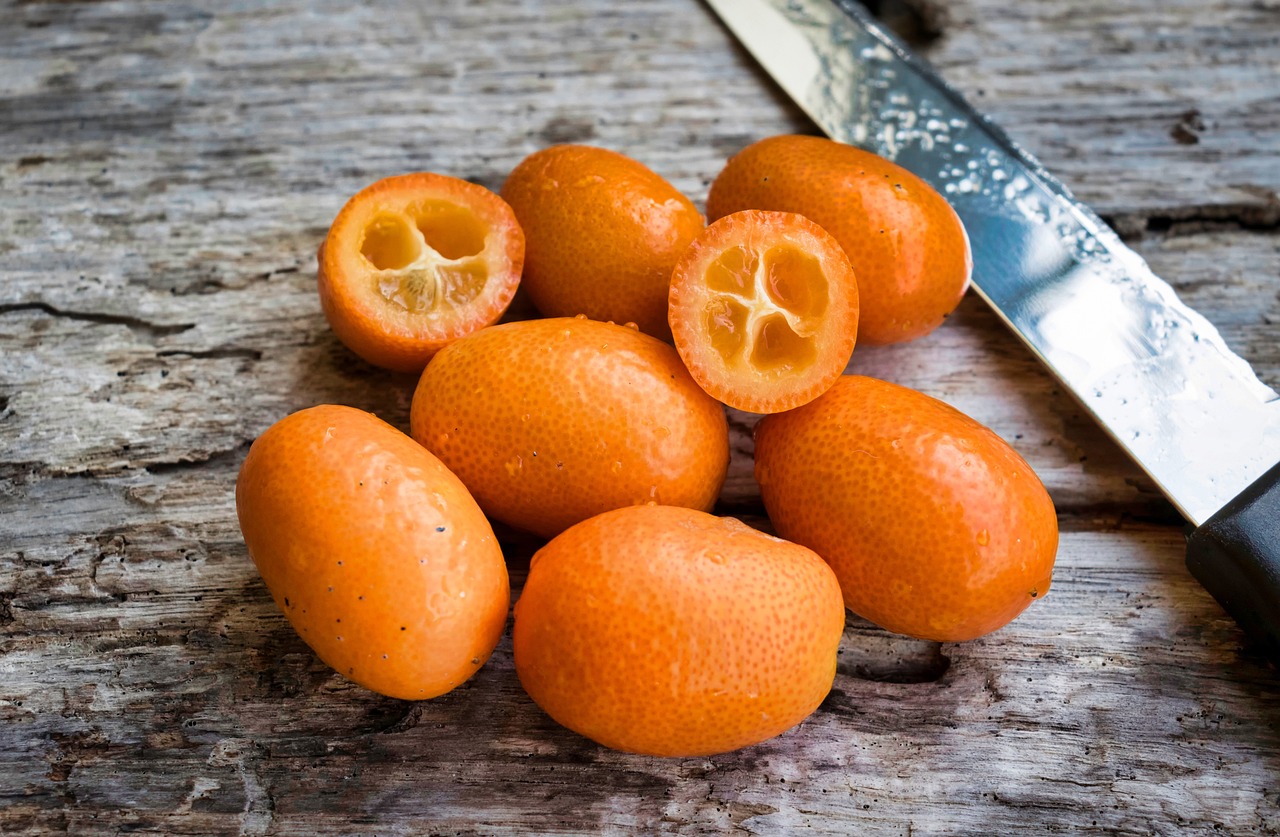
Kumquats are a small fruit in the citrus family with mostly sweet, edible skins and a sweet to tart pulp. Nagami is oval with mostly sweet-tart flavors. Marumi is round with sweet flesh. Meiwa is a natural mutation of the Nagami and the Marumi. It is mildly sweet.
Calamansi aka Calamondin is a cross between a mandarin orange and a kumquat. Fruit is quite tart. Skins are used in marmalades but generally not eaten fresh.
Limequats are a cross between a Key Lime and a kumquat. Flavor more resembles a lime than a kumquat and makes a delicious summer drink.
Trees of the kumquat family are considered natural dwarfs, attaining a maximum height of approximately 10-12'.
Is it a Lemon or a Lime?
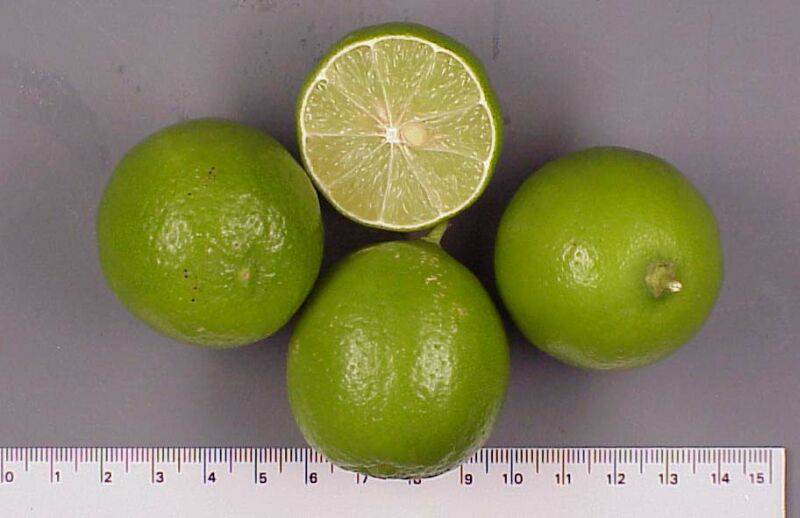
Lemons and limes make a flavorful addition to any recipe when softened with your favorite sweetener. Whether they are green or yellow depends on the country of origin.
In Florida, limes are generally green when first ripe while lemons are ripe when yellow. If left on the tree longer, limes can turn yellow as well.
Most lemon or lime trees are somewhat dwarf, reaching a maximum height of 10-12'. If container grown, they tend to stay a bit shorter. See below for a list of the various varieties.
Click here for a comparison of limes.
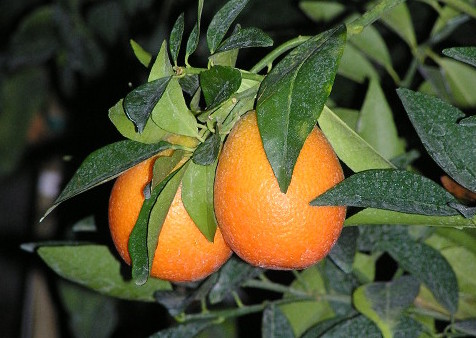
Red limes are a cross between a kumquat and a lime.
Protecting Citrus from Extreme Cold
Citrus is readily grown in FL in USDA planting zones 10 & 11, and the lower half of zone 9.
However the highlighted names below are known to be a bit more cold hardy than the others -- as in growing in Alachua County and other parts of zones 9a & 8b.
Cold tolerance always refers to mature trees with 5" trunk diameter or greater. It is recommended to plant citrus with a windbreak to the north and the northwest to break the wind chill.
Always protect first year plantings from hard freezes, especially extended durations below 26º. All citrus is grown in heated greenhouses in Central and south Florida, and it takes at least two winters for the trees to develop their cold tolerance.
Citrus are easiest to plant in the milder / cooler weather -- Sept to May, as there is less heat shock. However, they can be planted year around as long as they are watered EVERY DAY! It's not about the quantity of water, but the slow delivery across 30 minutes, giving the tree time to drink.
Available Varieties
The list below contains citrus varieties generally available through us: subject to seasonal availability, of course. Please ask before ordering.
Click the links for more information on individual varieties.
Oranges
Tangerines & Tangelos
Mandarin Tangerines
Grapefruits
Lemons
true, traditional lemons:
other lemons:
Limes
Kumquats & Others
Because we care about your success, we only stock larger sizes of citrus: 10gal & 30gal
(smaller sizes lack enough root mass for easy survival)
Please check with us regarding availability
before you place your order, thanks!
CITRUS: 10gal size:
our #1 recommendation: grafted, beginning to bear, has bloomed for 1-2 yrs, and is pruned back 2x's to 3.5-4' tall planted hgt. This size suffers very little transplant shock.
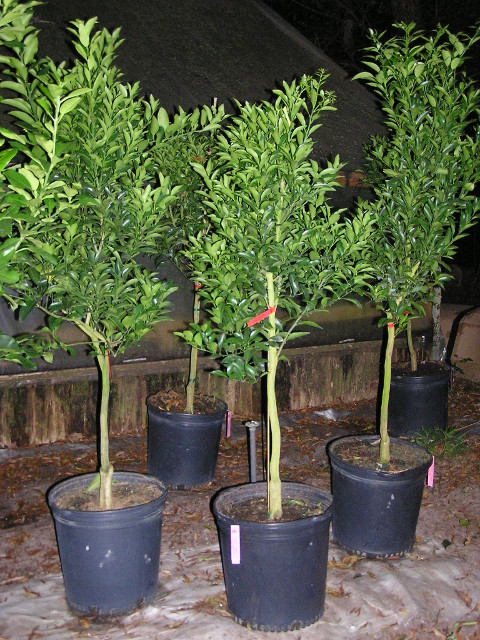
10g Ponkan tangerines
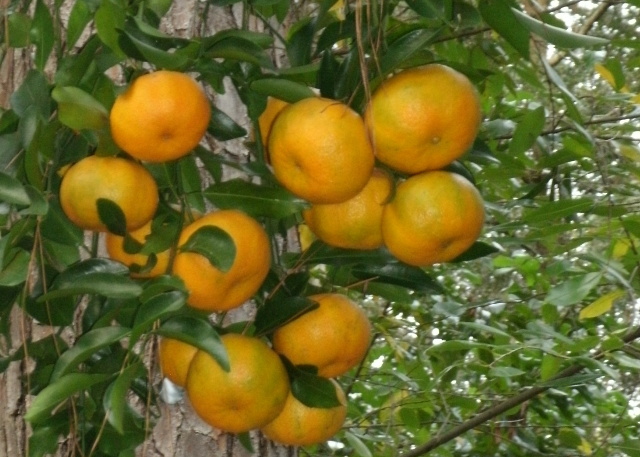
SUGAR BELLE 10g: $125
CITRUS: 30gal size:
Specimen size: grafted +4yrs, true BEARING AGE, pruned for density to 5' tall hgt by 4'-5' wide w/ 1" caliper min. (trunk size). Produces 15-30pcs of fruit the first season planted.
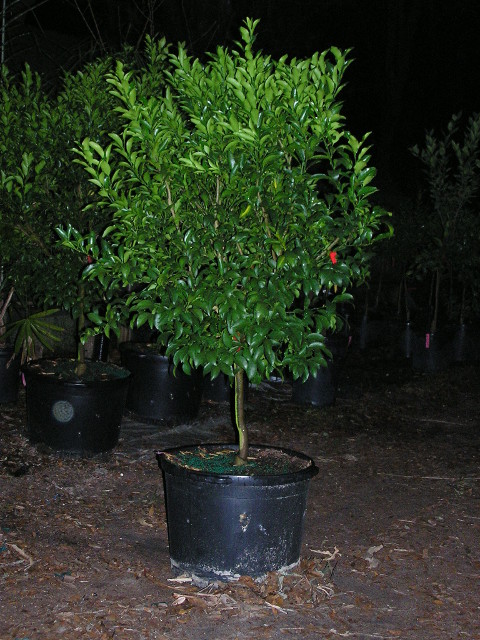
30g Ponkan tangerine