
Dwarf Tropicals Can Make Your Orchard Complete --- Even When It's Cold Out!
While dwarf stone fruits (like peaches, nectarines, plums) are often both impractical and unreliable, dwarf tropicals can reliably produce a hardy amount of fruit.
And for those of us in the more sub-tropical parts of Florida, they make it possible to have a tropical paradise -- albeit in a small greenhouse.
Here's what is do-able in dwarfed tropicals with the assistance of some creative pruning.
Many of these varieties are actually tolerant of some cold -- down to maybe 28-30° when mature -- though keeping them warmer will mean better fruit production. But what that means is you don't have to keep your greenhouse heated to more than say 40° on the coldest nights to succeed.
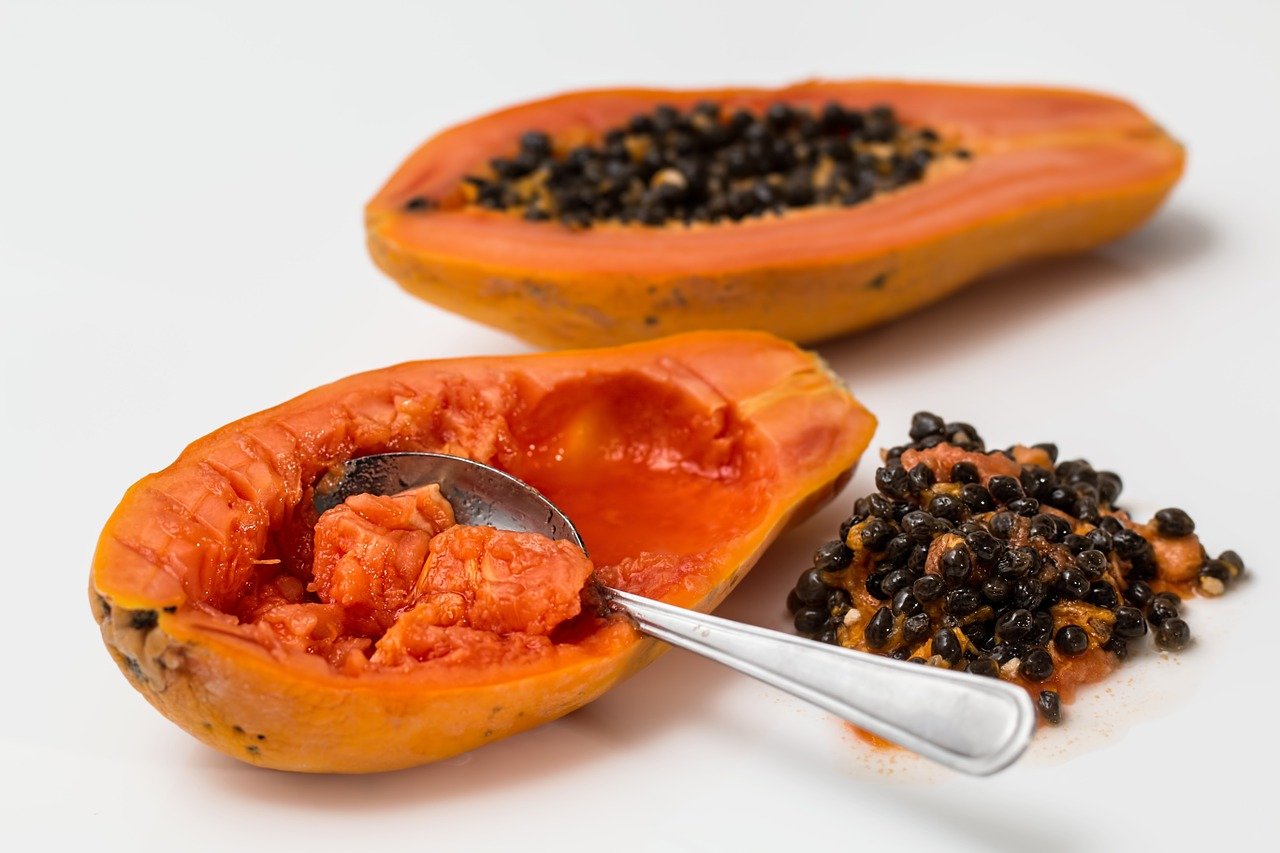
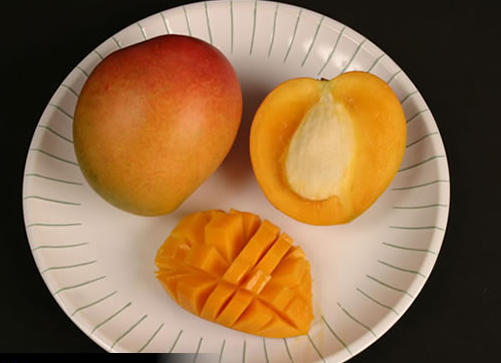
Yum -- mangoes!
Mangoes:
Mangoes are the #1 most popular tropical fruit.
Carrie, Cogshall, Pickering and Ice Cream are all "condo" mangos that actually produce good fruit reliably on smaller trees, even when container grown.
Carrie is a very early season mango (June), Cogshall ripens in June and July, and Ice Cream can be kept the smallest size of all at only 6' tall.
Carrie normally grows to 20', but can easily be kept trimmed to 10' tall and still produce lots of fruit. Cogshall is a good fruit, but doesn't produce as readily as Carrie. Pickering typically grows slowly to about 7-8' tall and produces abundantly.
All are fiberless, juicy and sweet. Carrie, Cogshall and Pickering all have a nice blush, while Ice Cream is a pale green.
Read more on each variety here.
Avocados:
Avocados are considered one of the healthiest fruits and can be eaten in so many ways, it's a must-have for the orchard!
Wurtz is a slow growing dwarf Guatemalan and Mexican hybrid that produces 10-12oz fruit with a smooth green skin, and a fairly high oil content at 16%.
It has consistent production from year to year, sports a very small seed, and has excellent flavor. It grows very compactly to a height of about 10' at maturity.
You'll get a higher yield and a more vigorous tree, however, by planting the popular Super Hass or even a Day, and aggressively pruning it while young to keep it at a compact 10' height.
Read more on each variety here.
If you live in North FL, or in areas of Central Florida that get temps lower than 28-30 every winter, you're better off planting one of the cold tolerant varieties found here.
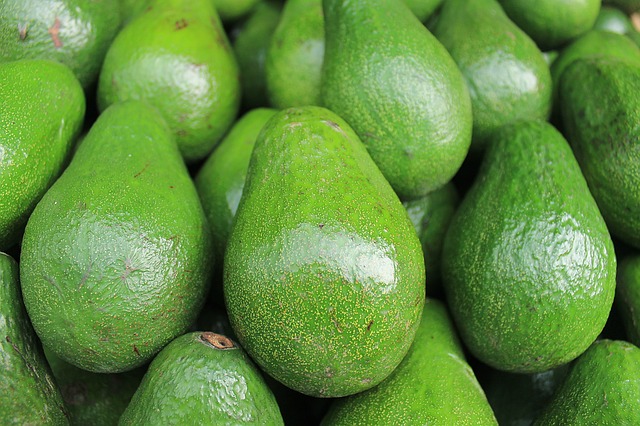
Wurtz has about a 16% oil content, much higher than the large green fruits which average 8-10% oil content.
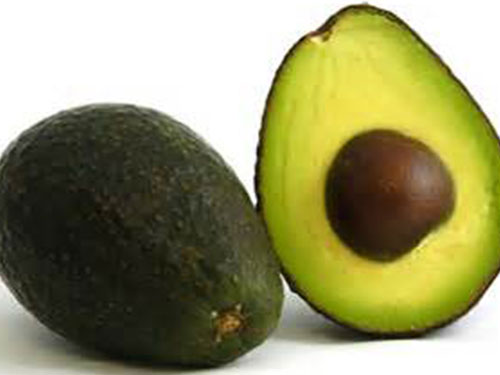
Super Hass has a 19-21% oil content, exactly like a CA Hass. It is one of the easiest varieties to grow, and far hardier than either the CA Hass or the FL Hass.
Sapodilla:
Described as the "taste of the Caribbean": Sapodilla is a small brown furry fruit that looks on the outside a lot like a kiwi fruit.
It has a soft melting texture and tastes something like a pear dipped in brown sugar. Others describe it as a sweet mix of brown sugar and root beer.
The fruit are best left to fully ripen for another 4-5 days after picking and are ready to eat when soft to the touch.
Do be careful not to swallow the seeds though -- they have a hook on them that can catch in the throat.
"Silas Woods" is a much coveted dwarf variety, growing to only about 6-10' tall when fully mature. Ever-bearing, very prolific, heavy bearing, the small 9oz fruit have a very fine texture and white flesh.
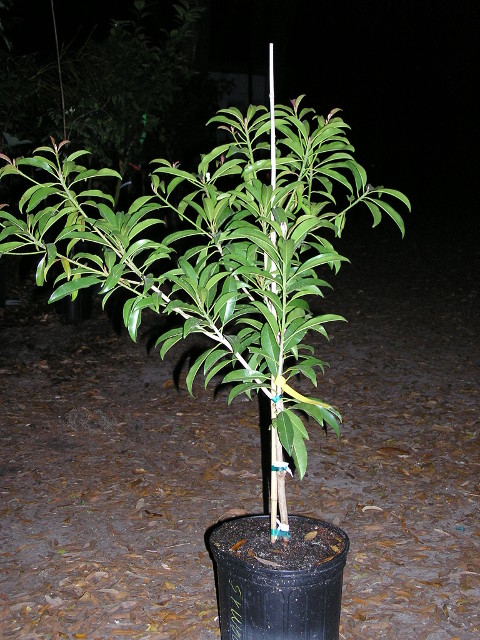
3g grafted Silas Woods often have blossoms on them!
Read more about sapodilla cultivars here.
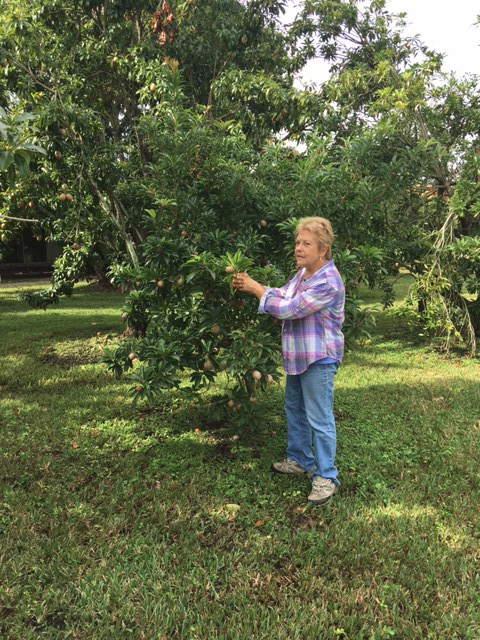
This is a 5yr old Silas Woods left untrimmed: photo courtesy of one of the wholesale growers.
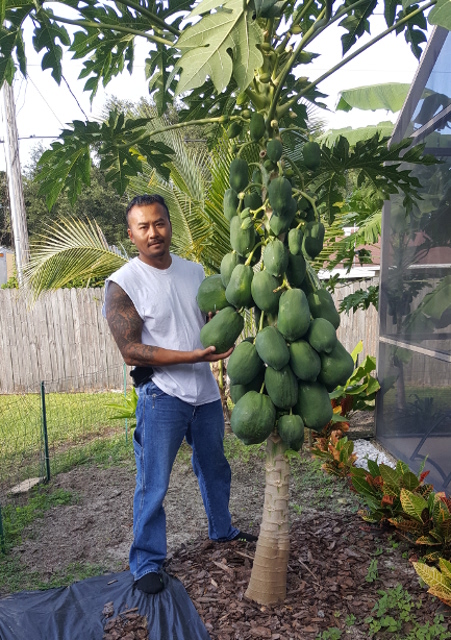
Thanks to Lance in Tampa for this photo of his one year old, beautiful King George papaya specimen!
Papayas:
Papayas are "herb plants" and not trees.
While papayas can reach incredible heights in tropical areas, we grow two varieties that stay short: Red Lady & King George. They do NOT produce well in containers and do far better planted directly into the ground from a 3g pot.
Red Lady grows to about 12' tall, is supposed to be self-fertile, but often takes till the second year to start fruiting.
King George is an evolving hybrid of several precocious, short, orange-red varieties, is about 60% self-fertile, and grows to a mere 10' tall by the second season. It starts blooming and setting fruit at about 2-3' tall at only 6 months of age.
We recommend 3 plants to guarantee pollination with the King George. It can also be grown as an annual if you have no greenhouse because it fruits so young -- start picking the first fruits within 4 months from a 3g plant.
Keep in mind that commercial groves of papayas cull their trees every two years for best fruit quality and quantity. Overall performance of the "trees" typically declines between year 2 and year 3.
Read more about growing papayas here.
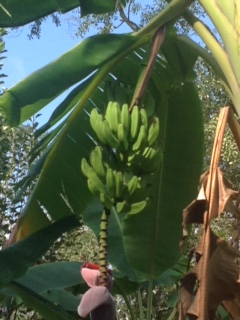
Thanks to Cathy in Live Oak for this photo of her beautiful Lady Fingers bananas -- nice work!
Bananas:
No discussion of dwarf tropicals would be complete without discussing bananas!
Dwarf Cavendish & Grand Nain (Chiquita's bananas) are commonly known popular bananas that only reach about 7-10' (trunk heights) at maturity.
But Raji Puri is an interesting variety from India that only gets 8' tall, has 5-6" long bananas, and has excellent flavor.
Raji Puri Pineapple, Namwah (aka Dwarf Ice Cream), and FHIA-03 (aka Sweetheart) are other excellent dwarfs.
Truly Tiny is perhaps the shortest of all the fruiting bananas for zone 9: it only gets 4' tall and has mini bananas about 3" long!
Like papayas, bananas do not produce well in containers and should be in the ground. Read more about bananas here.
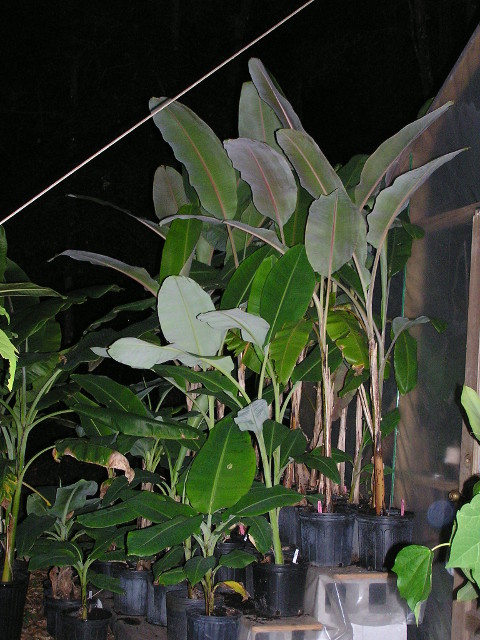
Bananas come in all sizes.
Tropical Cherries
Tropical cherries are not kin to the same family of plants as their more temperate, northern namesakes, the "Bing-like" cherries, but they can be just as tasty.
There are many varieties of tropical cherries but a few of the more common are members of the Eugenia family: Barbados Cherry, (common) Surinam Cherry, Black Surinam Cherry, Brazilian Cherry, Cherry of the Rio Grande, and Jaboticaba. All can be kept in the "under 10ft" category and all will thrive in large pots too if need be.
Barbados Cherry (aka Acerola Cherry) and Surinam Cherry are sweet-tart in flavor and will lean more sweet when grown with a rock powder full of 70+ trace minerals such as is in our "magic mix" recipe.
Black Surinam is sometimes grafted and is also naturally sweet, as is the Brazilian Cherry (aka Grumichama). Grumichama requires two for pollination.
Cherry of the Rio Grande is also sweet and probably the most cold tolerant of them all. Native to Surinam and northern South America, this cherry is sweet-tart while young and sweeter with maturity -- kinda like fine wine.
Jaboticaba is sometimes known as Brazilian grape, and has the unique habit of forming flowers directly on the mature trunks of the tree. It loves water and is used to flooding three months of the year in the Amazon Basin.
Read more about Tropical Cherries here.
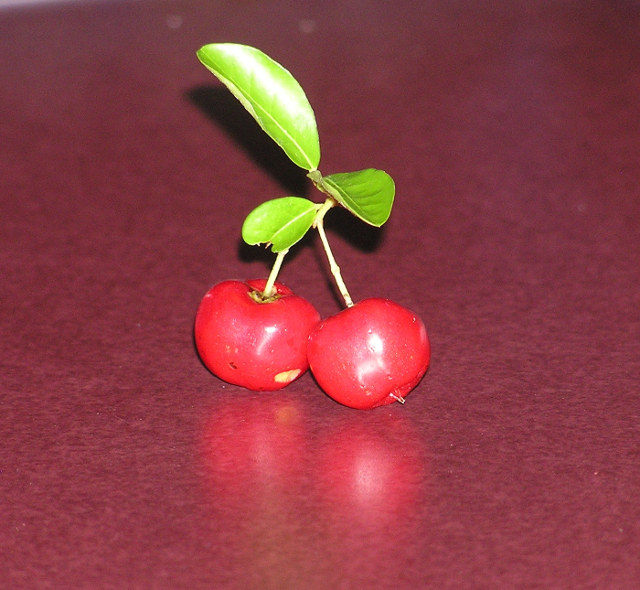
Barbados cherries
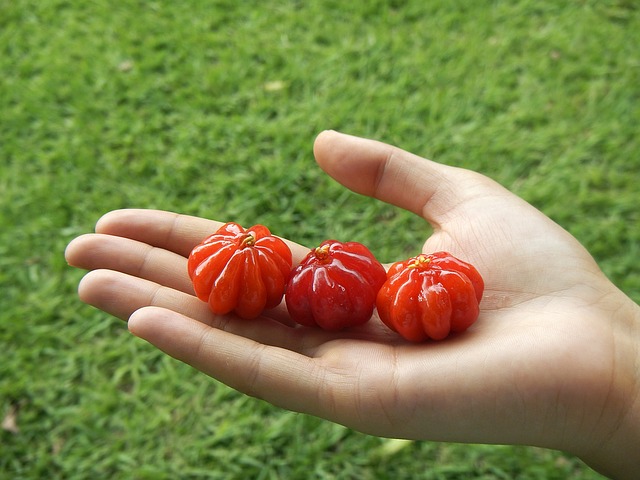
Surinam Cherries
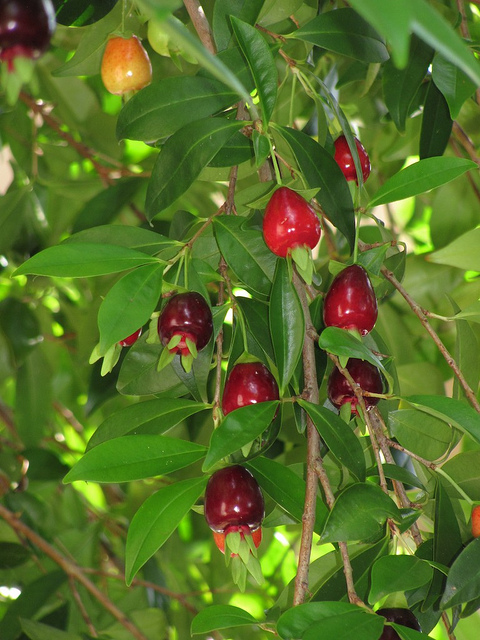
Cherry of the Rio Grande
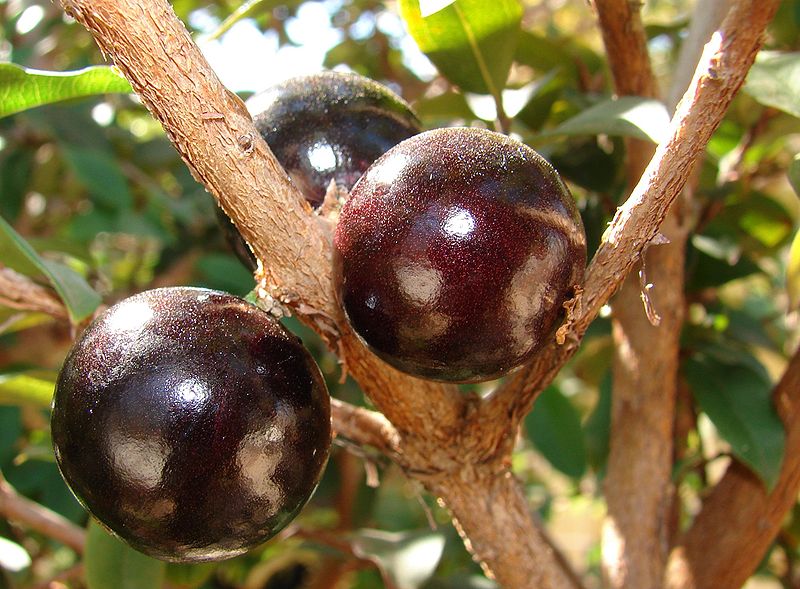
Jaboticaba fruits
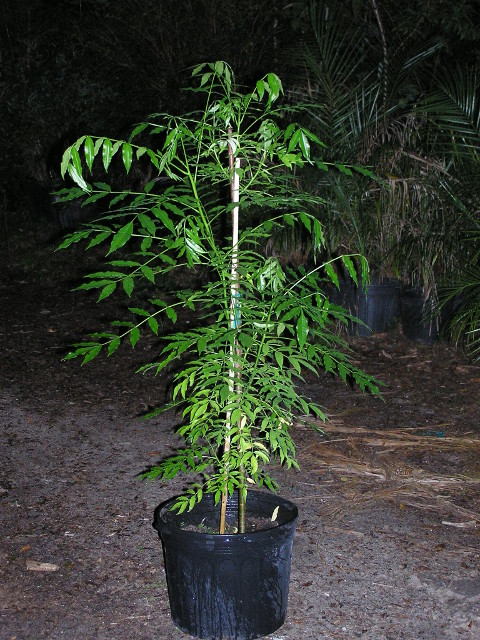
7g June Plum
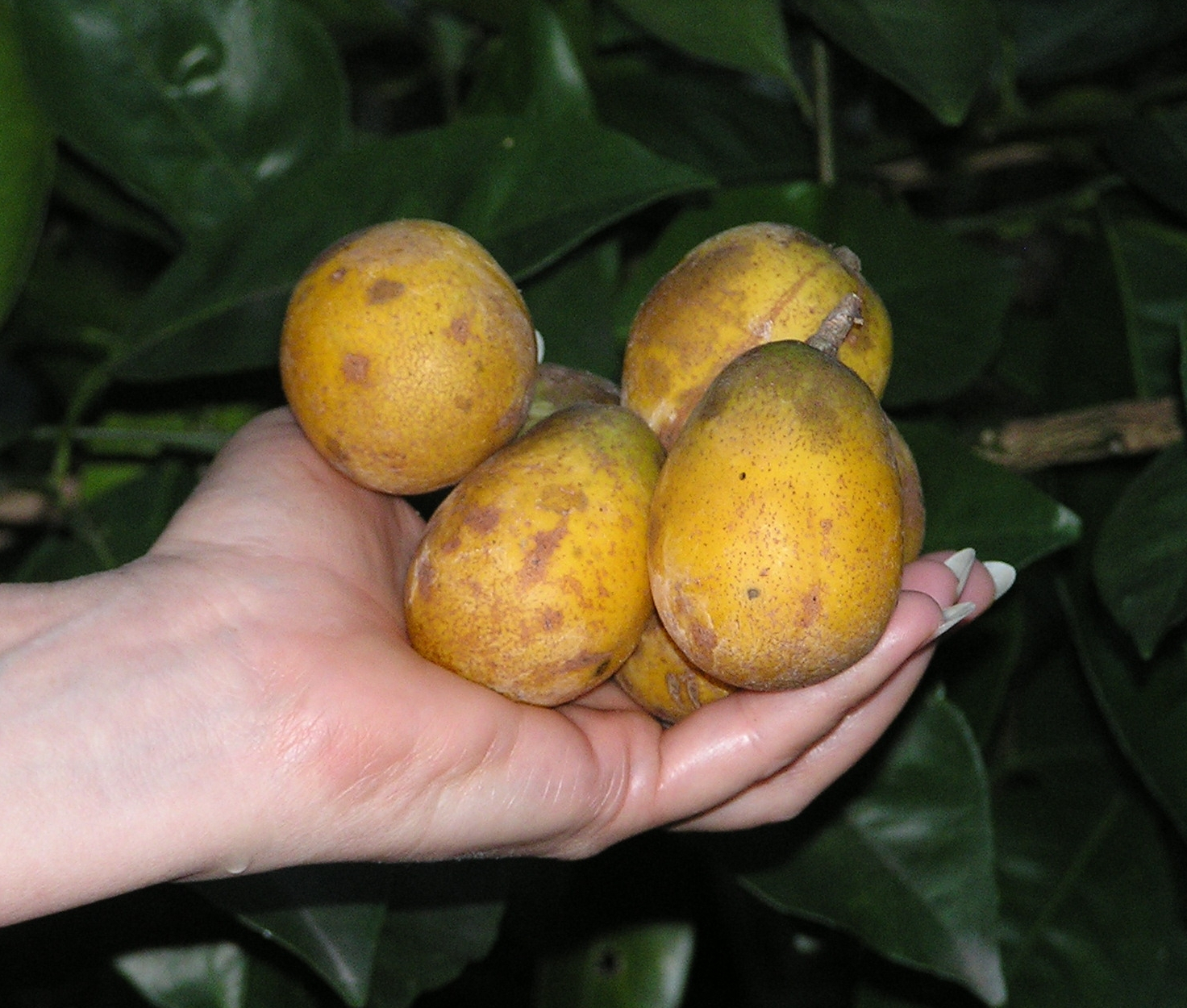
june plum fruits
Jamaican June Plums
aka "Hobo or Jobo Plum"
June plum is a close relative of the mango family. It is an upright tree that grows to 60' tall in Jamaica, but can be container grown and kept to 10' here in the States. Self-fertile.
Oval fruits are about the size of a small apple, 2.5-3.5" long, with a pineapple-mango flavor and crunchy texture much like a crisp pear. Fruits ripen from fall to mid-winter. Allow to fully ripen to express the most sweetness.
Read more here.
